England Face Argentina in World Cup Semi-Final Showdown After Chaotic Swiss Escape
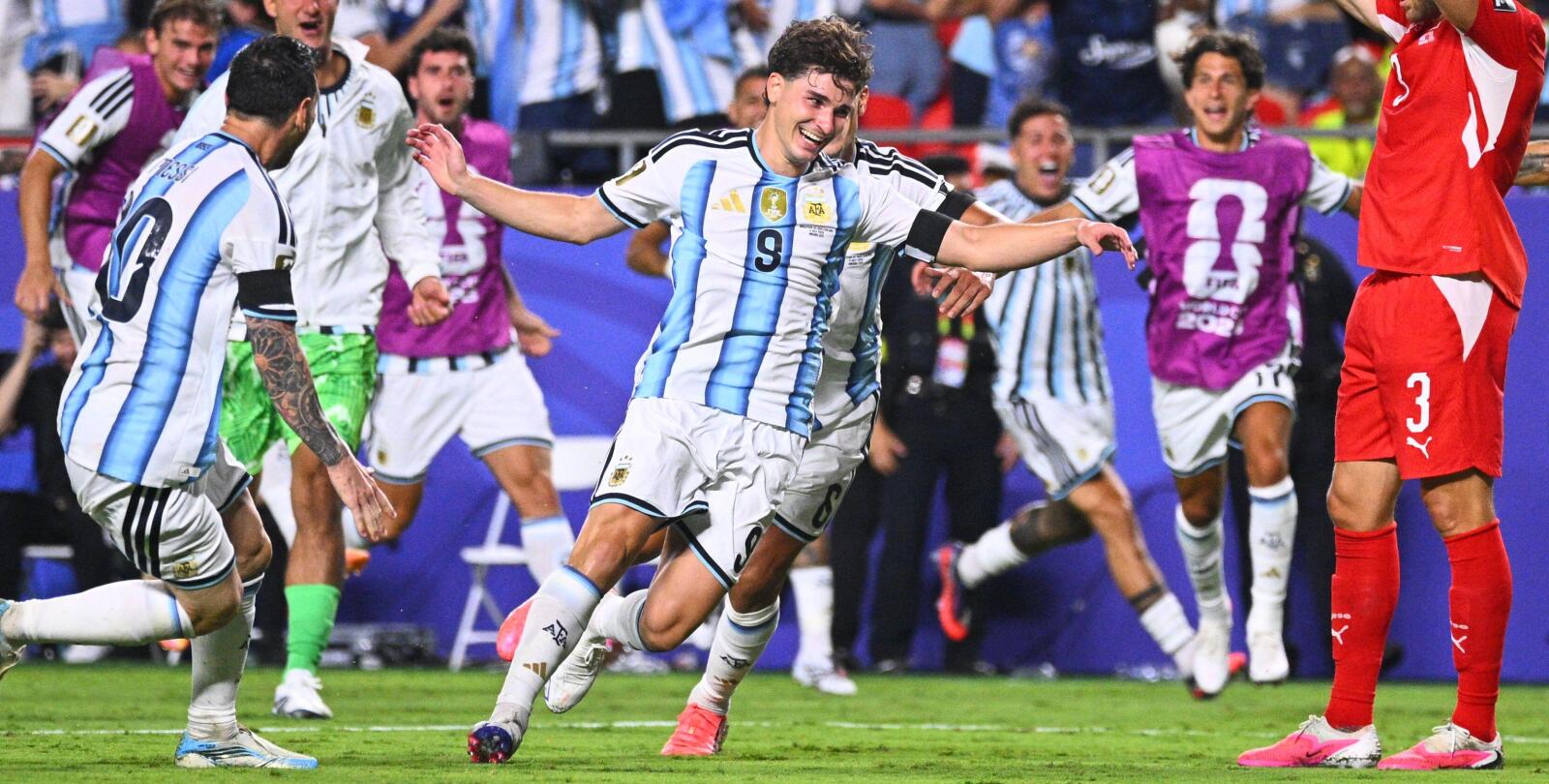
Argentina have done it again. Somehow, against all odds and occasionally against the run of play, they've scraped through another knockout tie and booked their place in a World Cup semi-final against England—a fixture that promises to be genuinely generational.
There's something almost mythical about this Argentina team. They simply refuse to be eliminated from major tournaments. Back-to-back Copa America triumphs have been followed by a march through this World Cup that defies logic. Win back-to-back world titles? They're just two games away from joining an exclusive club.
Yet here's the uncomfortable truth: they're deeply flawed. Strikingly so, at times. And somehow, it never matters a jot.
This tournament has split itself into two distinct halves. France and Spain occupy one landscape—technically superior, cohesive, the footballing elite. On the other side sit England and Argentina: sporadically brilliant, occasionally dreadful, both having teetered on the brink of spectacular implosion before clawing their way through.
That semi-final will be chaos incarnate. Genuinely dangerous chaos. The winner emerges as second favourite for the final, yet arrives with such an absurd belief in destiny they'll be formidable opposition.
Against Switzerland, Argentina looked like they might actually breeze through for once. Alexis Mac Allister's early header from a corner seemed to promise a straightforward evening. Then the Swiss grew into it. By half-time they'd seized the initiative, and early in the second period Dan Ndoye slotted past the goalkeeper from a tight angle to level matters.
Argentina were in genuine peril. Their composure was visibly cracking.
Then Breel Embolo intervened with a dive so spectacularly terrible it defied comprehension. Already booked. Nowhere near the box. Minutes after his team had drawn level and seized momentum. A second yellow followed inevitably, and deservedly.
But the mechanism by which he received it raises thorny questions. VAR intervened citing "mistaken identity"—the same protocol used in the Tim Ream-Miguel Almiron incident on the tournament's opening weekend. The rule allowing such intervention is woolly enough that using it to punish dives through initially booking the wrong player is technically one interpretation. But was it the intended one?
Previously, nobody deployed "mistaken identity" to describe wrongly booking the diving player in such scenarios. VAR stamping out diving through this process feels like using the right tool for the wrong reason. The unintended consequences will haunt this tournament: eventually, a diver will escape punishment because the opposing player wasn't initially booked, creating an inconsistency that can't be explained away.
This is doubtless well-meaning rule-making clumsily worded rather than anything sinister. But throwing brand new regulations into a World Cup remains questionable practice. The fact that both USA and Argentina—the tinfoil brigade's least favourite teams—have benefited from these VAR decisions adds another layer of frustration.
What mattered most was that the correct-but-curious call shifted momentum decisively Argentina's way. Switzerland retreated into their shells, and the match crept toward penalties.
With fewer than ten minutes of extra-time remaining, Julian Alvarez produced a stunning, curling finish from distance that won the game. The sort of goal that settles any match, executed in perfect character for this Argentina side—the only quibble being that it wasn't Lionel Messi delivering it.
Lautaro Martinez added a third on the break, offering Argentina fans three glorious minutes without their fingernails in their teeth.
The countdown to that semi-final has begun.
Compare options