Why Infantino's Position Remains Untouchable Despite the Balogun Scandal
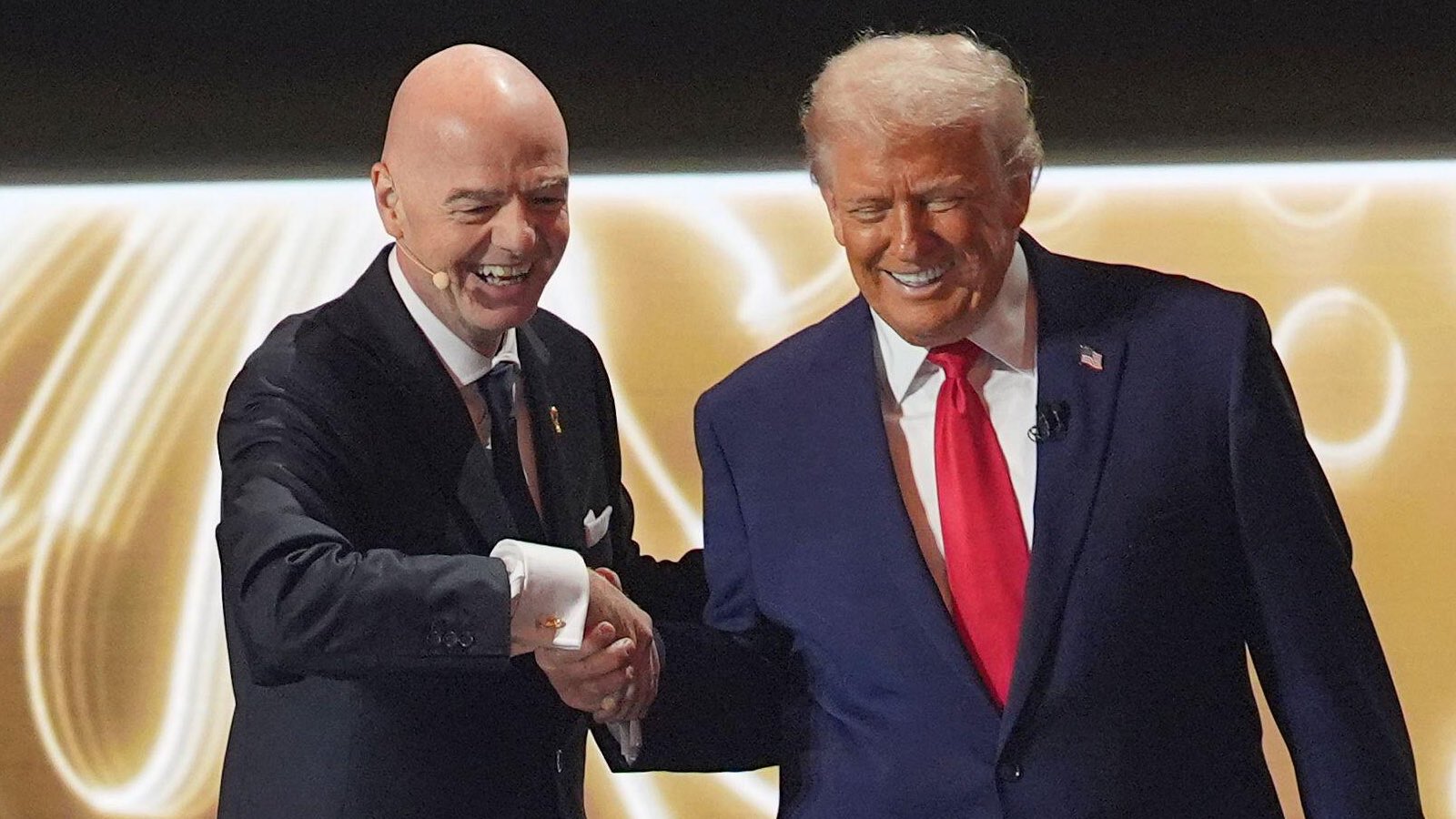
The fallout from FIFA's bungled attempt to engineer American progress past Belgium should, by rights, have serious repercussions. Yet here we are, and Infantino remains as firmly entrenched as ever.
Yes, UEFA are furious. Yes, the scandal laid bare the depths of politically-motivated host-nation favouritism. Yet none of it will dislodge the FIFA president from his seat. His position is stronger now than it was before the tournament began.
UEFA's Impotent Fury
The European confederation can huff and puff all it likes. They can make pointed gestures—assigning Omar Artan to the UEFA Super Cup after FIFA shrugged at his treatment, or announcing cheaper Euro 2028 tickets and no hydration breaks. These are the actions of an organisation lashing out, tilting at windmills. Righteous, perhaps, but ultimately toothless.
The paradox is that UEFA's very dominance renders them powerless. Their financial independence means they don't need FIFA's money like the other confederations do. Infantino grasped this fundamental truth long ago. His strategy has been elegant: weaken UEFA's global influence while strengthening his own by cultivating the rest of the football world.
The Numbers Game
Here's the mathematics that keeps Infantino sleeping soundly. FIFA's presidency is decided by one country, one vote among 211 member nations. You need 106 votes to win. The confederations have already pledged their support: CONMEBOL (10 votes), CAF (54 votes), and AFC (47 votes). That's 111 votes—more than enough to secure the next election in 2027, which is effectively already decided.
Even if UEFA could find a challenger, they simply don't possess the numbers to mount a realistic challenge.
Why The Smaller Confederations Stay Loyal
These organisations have been showered with benefits. The World Cup expansion by 16 teams gave UEFA only three of those additional spots, while others benefited far more substantially. FIFA's various development programmes have genuinely helped smaller confederations, though that's secondary to their real purpose: cementing Infantino's support.
The 2030 and 2034 World Cup arrangements—sneakily transformed into a centennial celebration across multiple continents, with Asia handed a clear path to 2034—sealed the deal. Even Trump's unprecedented meddling and the Qatar World Cup controversies failed to shake their allegiance. Why would this latest scandal be any different?
The Hollow Victory
There's a small satisfaction in watching this unfold publicly. Seeing FIFA squirm, watching them deny Trump's involvement while the narcissist in chief prepares to claim credit anyway—there's value in that exposure. Infantino and Trump deserve the taint this World Cup has left on both of them.
But let's be clear: they've won. The outrage will fade. UEFA will remain entrenched in their suspicion but powerless to act. No amount of indignant calls for resignation from European journalists will shift anything. Infantino's position only becomes untenable if he decides it is, and he obviously won't.
The Nuclear Option That Won't Be Used
UEFA could theoretically withdraw from FIFA entirely, creating their own continental tournament. A World Cup without European football would cease to be a World Cup in any meaningful sense. It's mutually assured destruction—and UEFA's hand is far too weak to even attempt such a bluff. Their strength on the pitch counts for nothing in the voting booth.
Unless and until Infantino loses support from Asia, Africa, and South America, he remains untouchable. Europe can howl into the void all it likes.
Compare options