Lammens' World Cup Mishap Could Prove Blessing for Manchester United
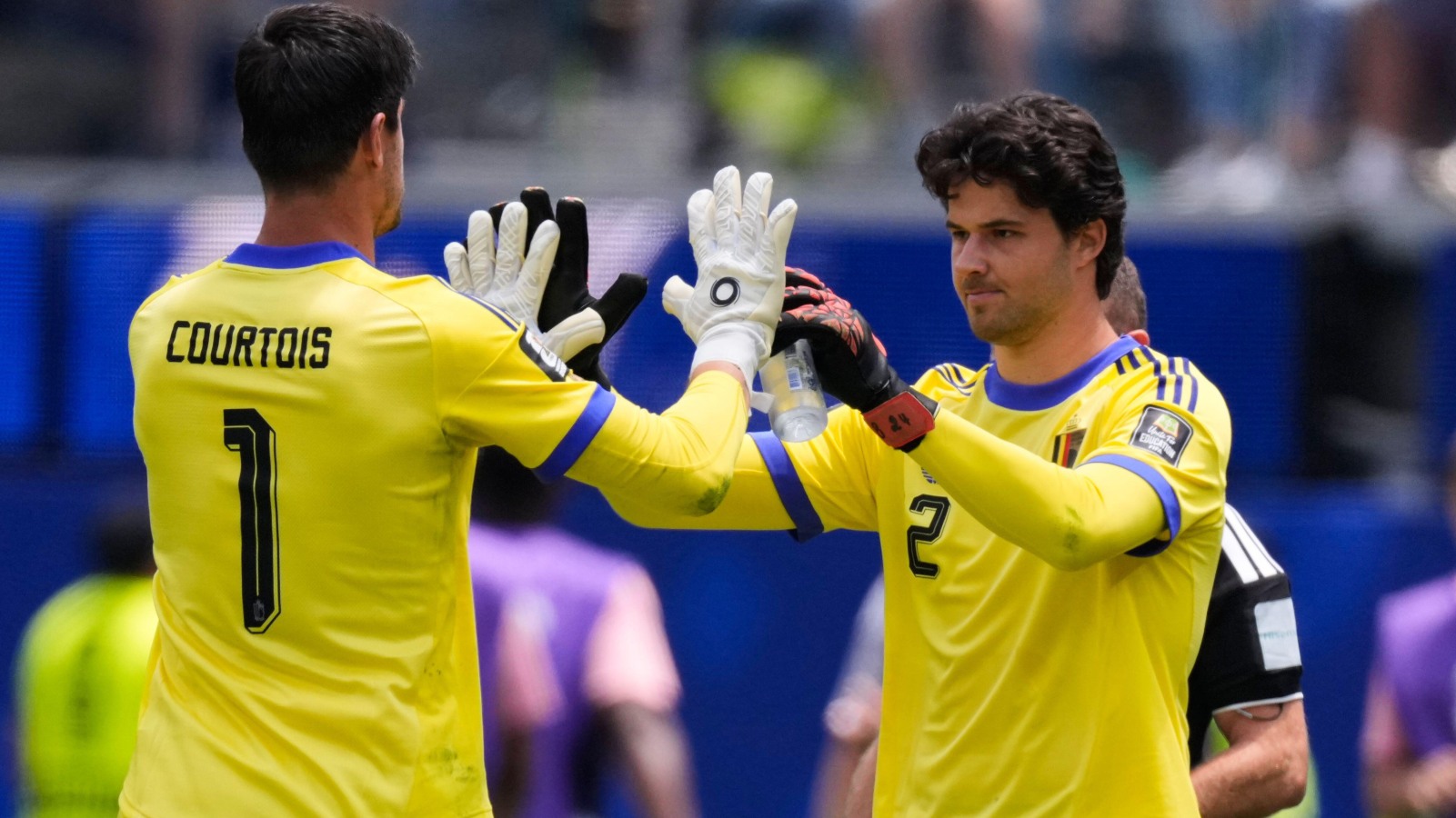
Senne Lammens' nightmare World Cup moment—the error that saw Spain progress at Belgium's expense—stings now, but history suggests it may work in his favour. Manchester United could well find themselves with access to a superior goalkeeper this summer as a direct consequence of his baptism of fire in Qatar.
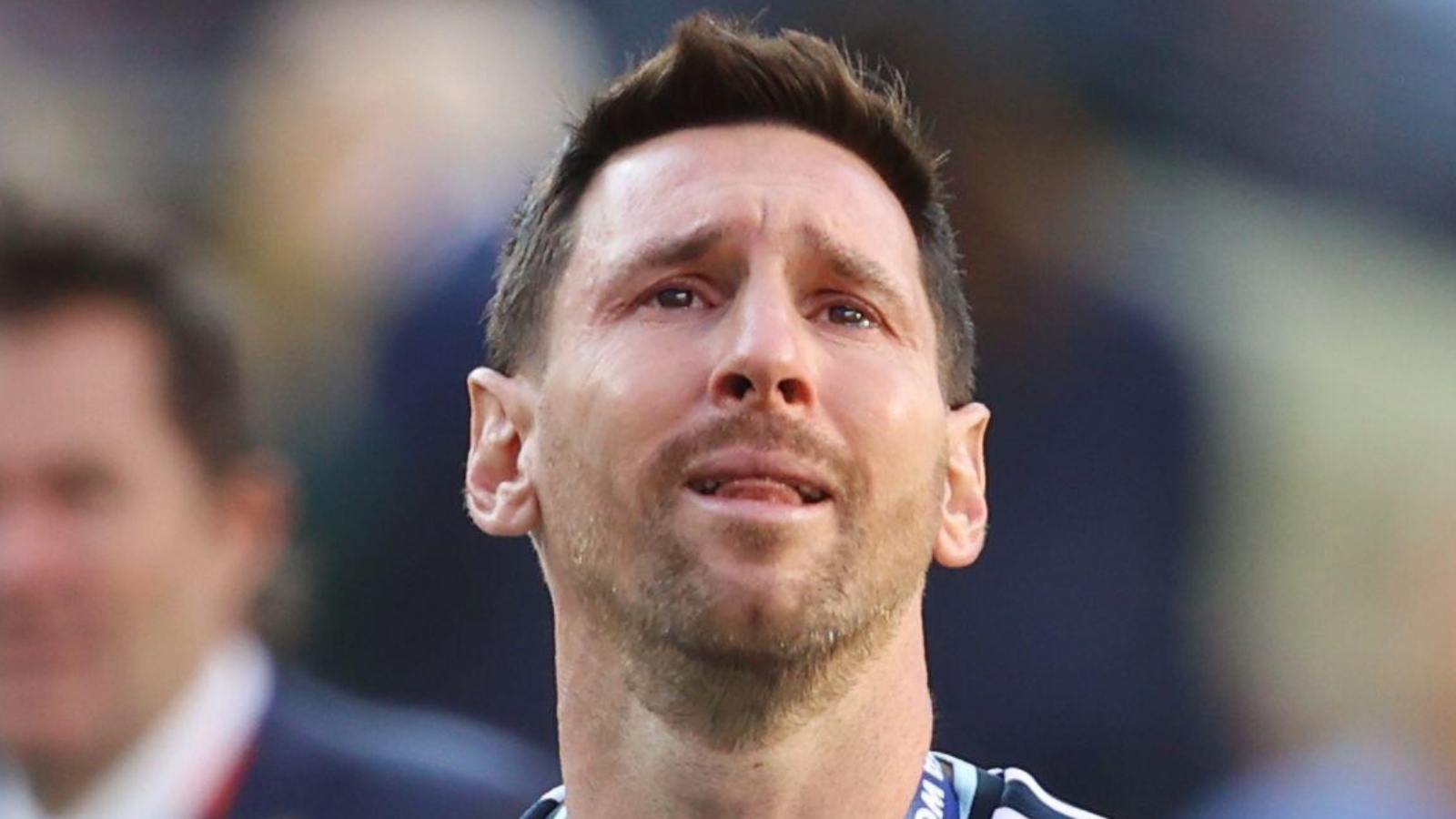
That cutaway to Thibaut Courtois watching from the bench immediately after Spain's winning goal painted an unflattering portrait of the Real Madrid stopper. His arrogance arguably underpins his excellence between the posts, yet the camera caught something altogether less dignified. The sight of Courtois in tears ahead of Saturday's clash offers Jordan Pickford a welcome psychological boost.
Liverpool's Reputation Takes a Hit
Michael Edwards' departure from Liverpool raises uncomfortable questions about his standing, particularly given the mixed results of his transfer dealings over the past two years—precisely the area where he was supposed to excel. The narrative around his tenure has centred on securing Mohamed Salah, supposedly against Jürgen Klopp's preference for Julian Brandt, alongside his data-driven approach to player assessment. Yet the transfer market has been considerably messier under his watch.
Arne Slot's second season certainly didn't help matters, but the transfer chaos largely fell within Edwards' remit alongside Julian Hughes. Neither figure faced public scrutiny or offered strategic explanation—short or long-term. This left Slot stranded, effectively hung out to dry by those above him. Now Edwards exits stage left just as Liverpool face a crucial transfer window, replaced by Enzo Maresca, though the timing feels particularly awkward given FSG's apparent dissatisfaction with how transfer business has been conducted.
The PSR Debate: Spurs Aren't the Problem
The volume of complaint from Aston Villa and Newcastle supporters regarding spending rules exposes a fundamental lack of clarity from both media and governing bodies. Financial Fair Play, Profit and Sustainability regulations, and their various iterations have existed for over a decade—they were never temporary, and they're not going anywhere.
Yes, there may be elements of a "top six cartel," but Tottenham hardly qualifies as part of it. Chelsea and Manchester City benefited from billionaire ownership with virtually unlimited spending. Arsenal and Liverpool earned their position through shrewd trading and sustained Champions League revenue. Manchester United already possessed massive infrastructure and global reach. These three built sustainable models.
Newcastle and Aston Villa, conversely, arrived with billionaire backers who would have ruthlessly plundered smaller clubs like Brighton, Bournemouth, and Brentford without financial restrictions—clubs that thrive through smart recruitment and data-driven strategy.
Tottenham's path differs entirely. Derided for years—both internally and externally—for apparent underinvestment, the club pursued long-term revenue growth, stadium development, and global partnerships. Now able to spend, Spurs finally wake to football's demands. Without billionaire patronage, the club built its position through bank borrowing and reinvested revenues, often maintaining wages at 40% of turnover. Compare this to Chelsea and City if genuine grievance matters.
Newcastle's Transfer Predicament
Newcastle's situation isn't about smaller clubs being prohibited from competing—it's about their inability to absorb mistakes. They signed shrewdly post-takeover, reached the Champions League, then spent last summer's Isak proceeds on Woltemade, Wissa, and Elanga. All three were subsequently dropped or repositioned to midfield, costing European football and triggering departures. That's an expensive error smaller clubs cannot weather. Manchester City or Chelsea can waste £60 million on an underused midfielder before buying a replacement for double the fee. Newcastle cannot.
England's Knockout Challenge
Beat Norway. Beat Argentina. Beat France. That's the formula, yet English football has a habit of getting ahead of itself. Victory over Croatia, Panama, DR Congo, and Mexico—reaching the quarter-finals—hardly guarantees dominance over genuine contenders. Fifty minutes of Dan Burn throwing his body in front of danger doesn't transform England into world-beaters. Better sides would capitalise on the chances created. Taking Norway and Argentina for granted while eyeing a final against France piles needless pressure on players.
Spain could easily derail France. History proves tournaments remain unpredictable. Brazil expected to win. Minnows have surprised throughout this competition. Norway represent a genuine threat, and England face a stern examination.
Supporting your team means celebrating victories and respecting defeats—not gaslighting yourself into believing the trophy's already won. Unless, of course, Tuchel somehow manages it, in which case the door remains open for Pep on the way out.
The Quansah Conundrum
FIFA's approach to Jarrell Quansah's suspension appears to operate under The First Law of Thermodynamics: disciplinary consequences cannot be destroyed, merely transferred. Alejandro Balogun's red card didn't simply vanish; it migrated to Quansah as a two-match ban instead. Problem solved. Crisis averted. The World Cup remains intact.
Final Thoughts
Anthony Gordon remains a curious case—a Scottish name, Scottish appearance, Scottish playing style, yet perfectly eligible for England. And yes, England's route to World Cup glory can be summarised in three straightforward steps: beat Norway, beat Argentina, beat France. Simple really.
Compare options