Marsch's Parting Shot at Morocco: 'I'd Rather Be Us' Despite Canada's Exit
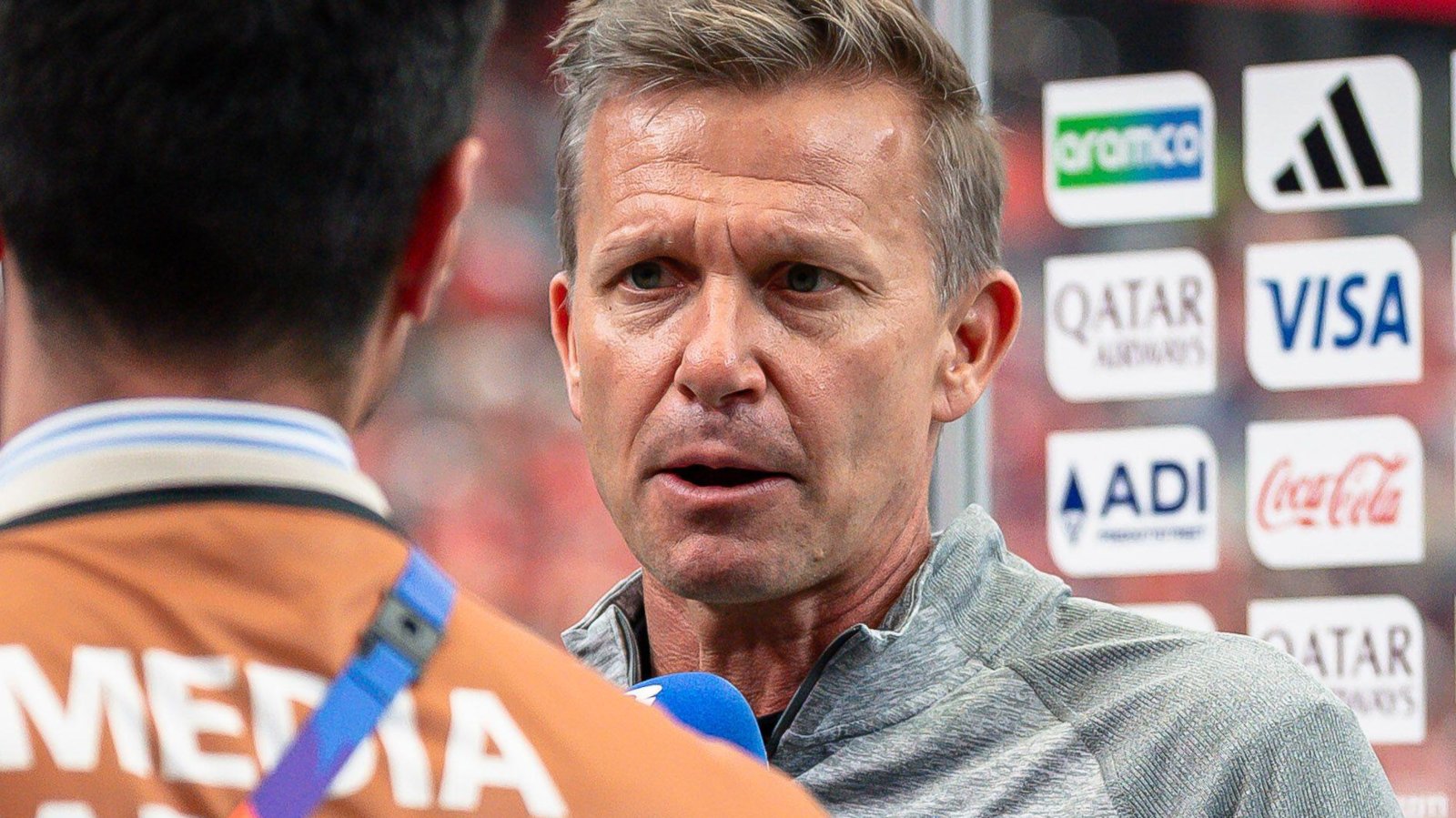
Canada's World Cup adventure came to an end in the knockout stages on Saturday, but Jesse Marsch wasn't about to let his side slink away quietly. The American coach launched a pointed jab at Morocco in his post-match assessment, declaring he'd "rather be us than them" despite the North Africans advancing to the quarter-finals.
The Reds produced an impressive performance against the world's seventh-ranked team, dominating large swathes of the contest before falling to a defeat that saw them exit at the first hurdle of the knockout phase. Yet for Marsch, the manner of the loss—and what it says about the trajectory of Canadian football—mattered more than the scoreline itself.
"I'm very proud to be the Canadian national team coach," Marsch told reporters, before adding: "I'm even more proud of the way our boys played today."
Marsch's assessment of the first half bordered on euphoric. His side had seized control of proceedings, establishing themselves as the dominant force on the pitch. "Thought we totally controlled the number seven team in the world in the first half, total control. There was one team on the pitch. And then we weren't able to make the play," he explained.
Morocco's breakthrough altered the dynamic considerably. Once they'd taken the lead, the North Africans retreated into a deeper shape, forcing Canada into a chase that ultimately proved fruitless. The introduction of goalkeeper Azzedine Ounahi—sorry, that's the standout Moroccan player—helped keep the Reds at bay.
The absence of Bayern Munich's Alphonso Davies loomed large over proceedings. The talismanic wing-back had barely featured in the tournament before a hamstring setback ruled him out of the knockout tie. Davies himself acknowledged the frustration: "It was tough sitting there, watching the game, knowing you know that I'm not 100%."
Marsch defended the decision to keep his star player sidelined. "He didn't feel right yesterday in training, and we got an MRI, and it was clear, but his hamstring didn't feel right. It killed him more than anyone, but I think it was the right decision to preserve him and his career and get him fully healthy."
Canada's campaign had already rewritten the record books before Saturday's disappointment. They'd secured their first World Cup point, claimed their maiden World Cup victory, and earned their inaugural knockout-stage appearance—all at this tournament. For a nation that hadn't qualified since 1986, the progress represented a seismic shift.
Yet Marsch's gaze was fixed firmly on what comes next. Rather than dwell on the defeat, he challenged his players to view the tournament as a launchpad. "I challenged them to understand that we can play like this all the time. Against the best teams in the world, we can be better on the day," he said.
The real test, Marsch suggested, would be consistency. "The challenge is, can we hold that standard for 90 minutes? Can we continue to build the depth of what we're doing with the team? Can we build a real Canadian DNA into the kind of football we want to play?"
For the Canadian coach, the narrative surrounding his side shouldn't centre on what might have been. Instead, he wanted the focus on what has been achieved and what lies ahead. "It is a privilege to have now a Canadian national team competing at levels that had never been dreamed of 10 years ago," he reflected.
"With that excitement comes higher expectations. Nobody is more disappointed than us, but we have to continue to think about how to get better and commit ourselves to it every time we're together."
Marsch's final word on Morocco, though, suggested he saw his side's future in a different light to their conquerors. "What a privilege our fans have had, to root a team on like this, that goes after the game, that doesn't play defensive, that shows that they can be better. I'd rather be us than them, as good as Morocco is, I'd rather be us."
It was a defiant note on which to exit the tournament—one that spoke to Marsch's belief that Canadian football has genuinely entered a new era.
Compare options