The Unsung Athletes in Black: How World Cup Referees Train Like Elite Players
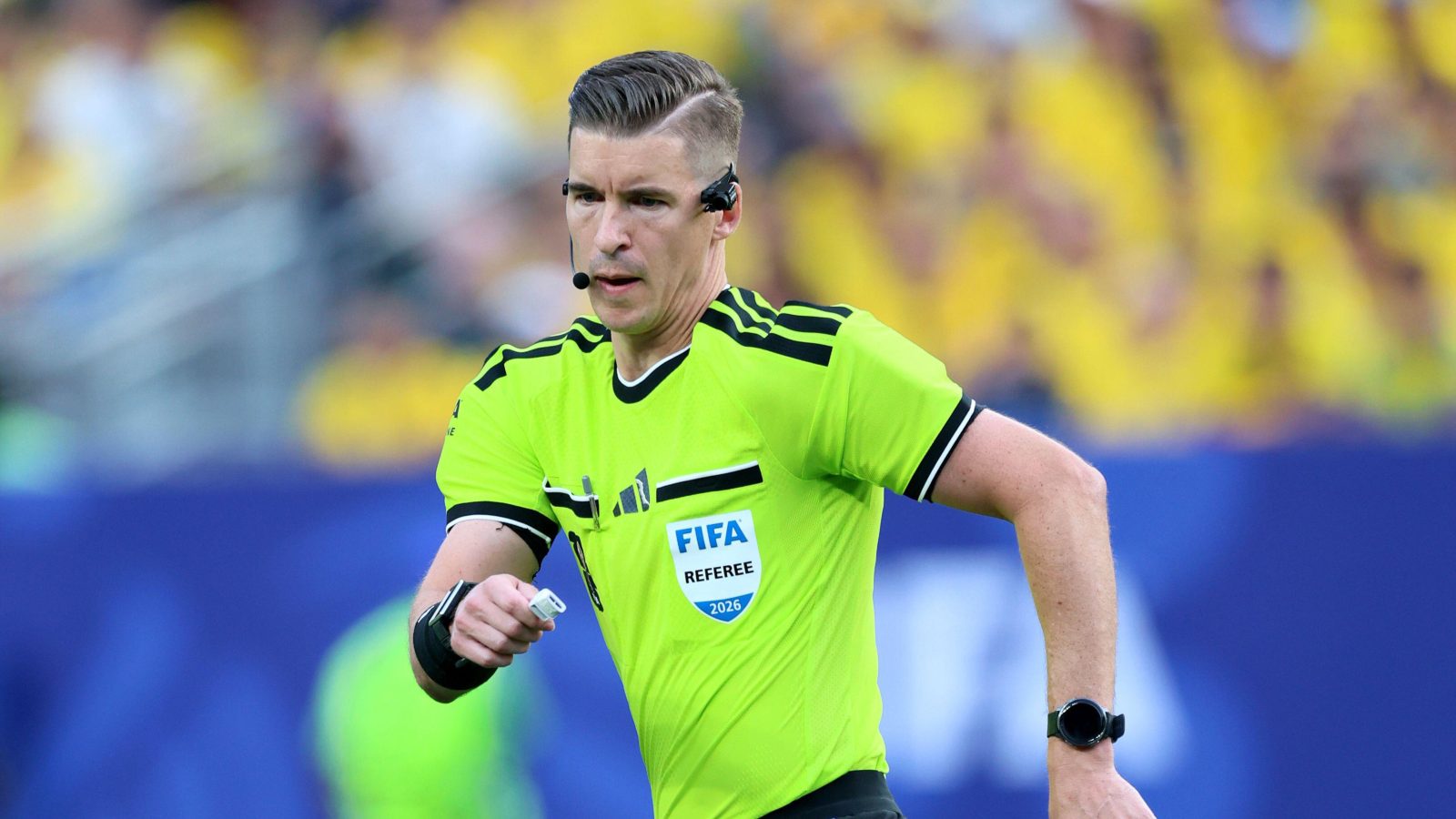
The whistle that decides a World Cup quarter-final must come from someone in the right place at precisely the right moment. That someone has been sprinting just as relentlessly as the 22 players on the pitch, often across treacherous terrain—from Miami's suffocating humidity to Mexico City's thin air at 2,200 metres above sea level.
FIFA's officiating corps covers 12 to 13 kilometres per match, matching the distance logged by many outfield players. Yet while supporters fixate on goals and glory, these men in black operate in the shadows, their preparation every bit as scientific and demanding as any squad's.
The journey to Qatar began nearly four years before kick-off, with the governing body treating referees as the elite athletes they've become. Physical assessments came thick and fast, with preparation intensifying dramatically in the six months leading into the tournament. The 2025 Club World Cup in the United States served as a crucial dress rehearsal, offering invaluable lessons on managing heat, humidity and the disorienting effects of constant travel and time-zone hopping.
The Science of Staying Sharp
At their Miami base, 52 referees, 88 assistant referees and 30 video match officials from 50 nations live within an ecosystem engineered for peak performance. A support staff of 12 medical specialists, 10 physiotherapists and a sports nutrition chef oversee every detail. GPS trackers monitor workload with the same precision applied to players, whilst heart-rate sensors and blood-lactate testing provide real-time feedback on physical exertion.
Training sessions mirror match conditions through game-like simulations, drilling endurance, strength, speed, agility and explosive acceleration. Performance experts scrutinise every sprint, every heartbeat, every recovery cycle. The science is unforgiving: research shows fatigue degrades positioning, narrows viewing angles and dulls reaction times—the recipe for mistakes that haunt World Cup history.
Three days before a fixture, officials run simulated matches followed by short, high-intensity speed work. Afterwards, recovery becomes paramount. The two days following games are devoted to active recovery training, complemented by massage and cryotherapy to accelerate regeneration. Hydration protocols have been refined, and training schedules redesigned to minimise direct sun exposure.
The Hidden Toll
During elite matches, high-intensity running comprises more than a third of an official's total movement, with heart rates frequently peaking at 80-100% of maximum capacity. All this whilst tracking player movements, spotting fouls, anticipating tactical shifts and hunting optimal viewing angles—often at full pelt.
The physical demands proved brutal during the group stage when German referee Felix Zwayer cramped up so severely in stoppage time of the USA's 2-0 win over Australia that players from both sides, plus an assistant, had to help stretch his leg just so he could blow the final whistle.
Every Whistle Counts
As the knockout stages unfold, cameras remain fixed on the players. Yet behind every controversial call, every game-changing decision, stands a referee who's been running a marathon whilst solving a puzzle. The preparation may be invisible to most, but the margin for error remains razor-thin.
Compare options