Would Arsenal's Double Crown Elevate Arteta Above Klopp in the Managerial Pecking Order?
The Case for Arteta Over Klopp
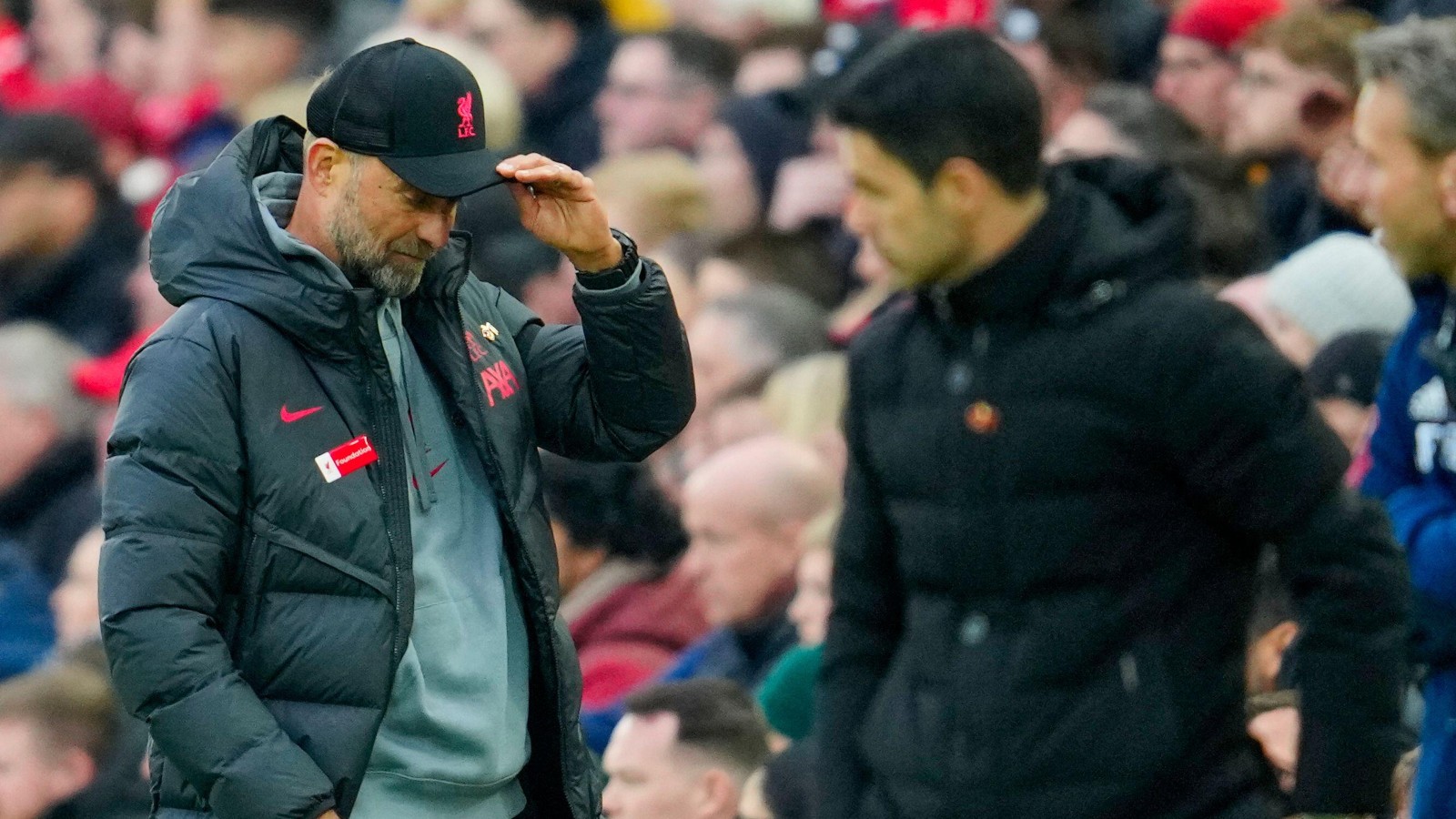
If Arsenal were to claim both the Premier League and Champions League this term, it would be timely to reassess which manager deserves the higher standing: Mikel Arteta or Jurgen Klopp. Let's examine the evidence across the major honours.
League Cup Credentials
Klopp holds a commanding 2-0 advantage here, with two domestic cup triumphs to Arteta's none. The German's success in this competition is beyond dispute.
Winner: Klopp
Premier League Supremacy
This represents the truest test of managerial excellence. Both would be locked at one title apiece. Klopp's championship, whilst undoubtedly remarkable, carries an asterisk—it arrived in empty stadiums devoid of fan atmosphere. For a club built on "You'll Never Walk Alone," Liverpool's best football paradoxically came when supporters were indeed, entirely alone. The Covid campaign felt like an extended pre-season rather than genuine competition, though Klopp's squad did reward television subscribers handsomely after three decades of waiting.
When measuring overall league performance, both finished 8th in their opening seasons and both have fallen outside the top four twice. Klopp's later slips warrant less scrutiny given his earlier triumphs. Second-place finishes offer the clearest separation.
Liverpool's point tallies in runner-up campaigns were genuinely impressive, yet Arteta's three second-place finishes demonstrate a consistency achieved under conventional circumstances—full stadiums, engaged opposition, normal football conditions.
Winner: Arteta (theoretically)
FA Cup Heritage
Here the parallels are striking. Both lifted the trophy in seasons ending 8th, both defeated Manchester City and Chelsea en route to Wembley. Liverpool required penalties rather than settling matters in regulation, though a trophy remains a trophy regardless of how it's secured.
The path to the final proves decisive. Klopp's Liverpool enjoyed considerable home advantage, with three pre-semi-final fixtures at Anfield against opponents like Shrewsbury and Cardiff. Arsenal navigated trickier away Premier League assignments, including a difficult trip to Bournemouth.
On balance, the edge belongs to Arteta.
Winner: Arteta
European Glory
Should Arteta triumph in Budapest, he would level Klopp's Champions League tally. Both campaigns featured similar landmarks—Bayern Munich and Portuguese sides fell in earlier rounds, whilst Atlético Madrid and Barcelona were overcome in semi-finals.
PSG represents formidable opposition for any finalist. Klopp's sole European crown came against Tottenham—a distinction that carries weight.
Notably, Klopp's winning run included a 3-0 first-leg semi-final drubbing, whereas Arteta's Arsenal arrives in Hungary having conceded just six goals across the entire tournament. The contrast in defensive mastery and controlled progression is striking.
Winner: Arteta (theoretically)
UEFA Super Cup and Club World Cup
Klopp secured both honours, though neither came without extending beyond 90 minutes—a recurring pattern in his successful final appearances. These remain legitimate achievements deserving recognition.
Arteta has yet to contest these competitions.
Winner: Tie
The Verdict
Should Arsenal claim both the Premier League and Champions League this season, a genuinely compelling conversation would emerge regarding whether Arteta has already surpassed Klopp both as a manager and cultural force within modern football. The evidence would be difficult to dismiss.
The Mailbox Continues
Liverpool's Crossroads with Slot
Arne Slot's position at Anfield grows increasingly precarious. The manager inherited a title-ready squad constructed by his predecessor—experienced winners already versed in competing at the highest level. The real examination arrives after that initial bounce, and here Slot has stumbled.
Injuries and transition affect every top club. What troubles observers more is how swiftly standards have deteriorated. Too many flat performances, too many occasions where senior players appear mentally detached. Mohamed Salah's regression stands paramount—whether through tactics, motivation, or management, Slot has failed extracting the best from one of football's supreme forwards.
The manager bears responsibility for the squad's limitations. He couldn't convince key players to remain and his recruitment decisions have proved questionable. Persisting with underperforming players whilst better alternatives languish unused isn't transition—it's poor stewardship.
The Xabi Alonso comparison exists because supporters recognise a coach imposing identity and energy onto his squad. Alonso's unbeaten Bundesliga campaign with Leverkusen—taking a club without title pedigree and rendering them invincible—towers above anything Slot has accomplished. Slot inherited champions. Alonso created them.
Should Chelsea recruit Alonso whilst Slot remains at Liverpool, the consequences would prove seismic.
Arsenal's VAR Mythology
The suggestion that Arsenal's three consecutive second-place finishes and Champions League progression stems from "VAR assistance" deserves scrutiny. The Premier League spans 38 matches annually. Decisions favour and disadvantage every side across that span. Arsenal have been the second-best team in England for three consecutive seasons—a reality no VAR decision fundamentally alters.
One goalkeeper contact decision in Arsenal's favour doesn't erase 36 prior games of sustained excellence. Meanwhile, Liverpool's wage bill ranks among football's most expensive across the past six years. The "we're impoverished" narrative crumbles against such expenditure.
Slot deserves another season, though most expect his departure by December.
Manchester United's Realistic Baseline
Michael Carrick's United aren't over-performing or under-performing—they're simply meeting expectations. Big-game performances have always been within this club's capability. Struggles against inferior opponents follow a familiar pattern.
Given available quality and inherent limitations, Carrick has achieved the optimal outcome for this season. He's positioned players comfortably and employed proven tactical frameworks. Should the role become vacant, he'd represent a serviceable option—pound-for-pound outperforming most alternatives.
Tottenham's Relegation Theatre
The Spurs-Leeds encounter delivered the optimal result for the club's survival hopes. A victory would have triggered complacency—this squad requires constant threat to maintain focus. A draw preserves tension and keeps West Ham's path uncertain. Chelsea and Everton await, and Spurs' traditional inability against the former makes another defeat entirely plausible.
The draw maintains the Spursiest possible trajectory: clawing back towards safety before inevitably collapsing at the final hurdle. It's the most entertaining outcome and therefore, statistically speaking, the most likely.
Champions League Finals and Nostalgia
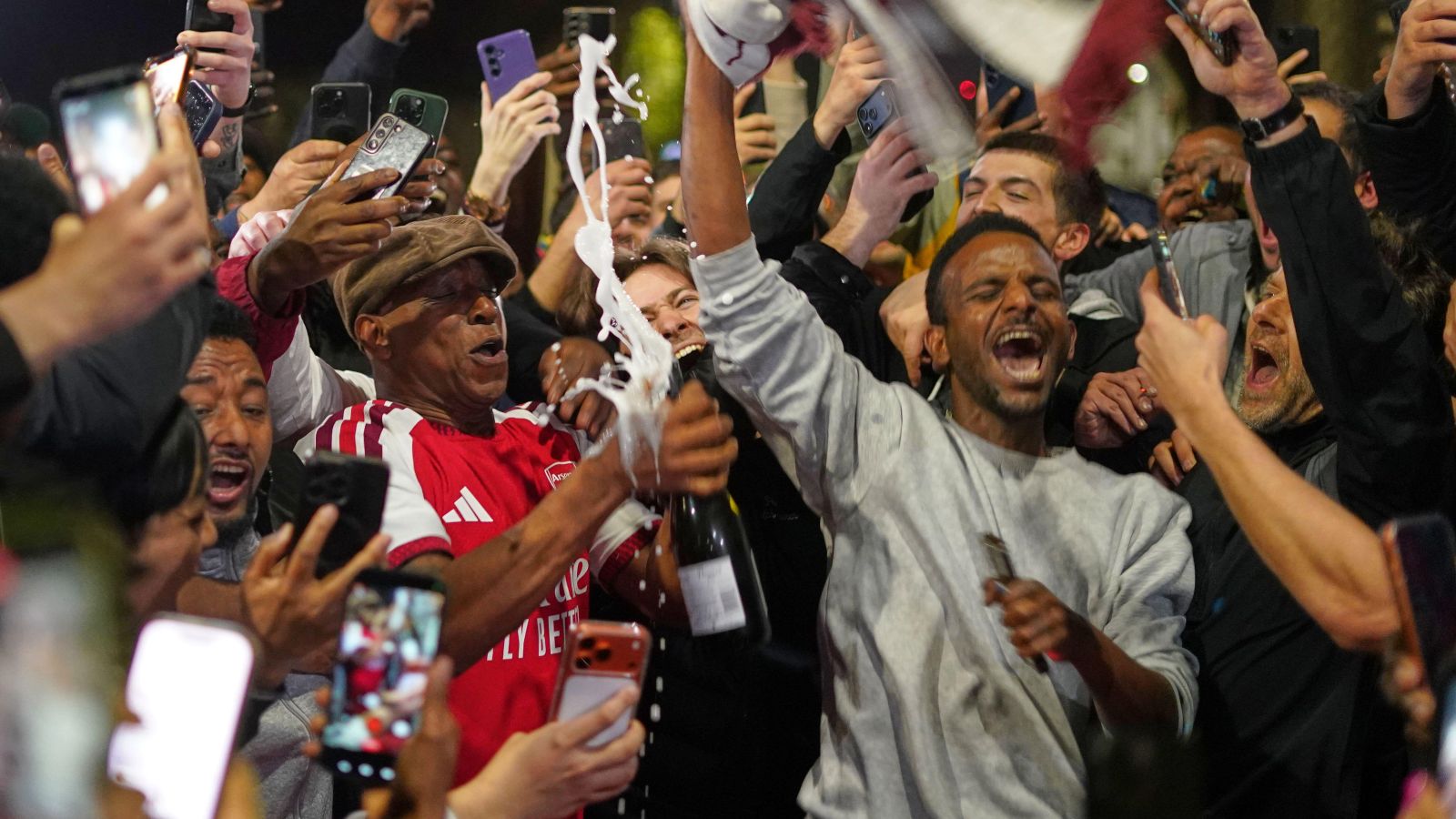
Arsenal's Budapest final represents their first European showpiece since 2005. Those midweek Champions League finals offered unforgettable pub experiences—Sol Campbell's unexpected opener against Barcelona, and that epic Liverpool-Milan encounter in Birmingham, finishing after midnight.
Regarding England's prospects: yes, we'd embrace Arsenal's style. Yet have you observed England's recent tournaments? Two laboured final appearances, both ending in defeat, followed by knighthood for the architect. We've resembled many things. 1970s Brazil remains distant fantasy.
Reimagining Penalties
The fundamental issue isn't VAR but the rule itself. Any box infringement resulting in a penalty creates absurd outcomes in low-scoring sport. A handball by accident or an attacker leaning into a boot can decide matches.
Penalties should only reward fouls denying genuine goalscoring opportunities. Other infractions become direct free-kicks from the box perimeter. A defender wiping out a clear-through player? Penalty. An attacker leaning into a high boot? Direct free-kick.
Call it the PK rule. It would reduce VAR-spawned chaos whilst maintaining fairness.
The Corner Crisis
The Premier League's corner epidemic requires systemic intervention. Introduce corner VAR at Championship and academy levels so poor habits don't calcify. Retroactive discipline for uncaught fouls would discourage the wrestling matches currently plaguing set-pieces.
Alternatively, adopt field hockey's model: defending team on the goal line, attackers at the box top, corners taken from the penalty box intersection. Defenders become desperate to keep the ball in play rather than risk controlled short corners. Goals increase, wrestling decreases, skill triumphs over brutality.
Arsenal's European Milestone
As Arsenal reached their first Champions League final since 2005, it highlighted how these occasions shifted from midweek to Saturday scheduling. Those midweek finals created indelible memories—pubs, mates, unexpected bets, and matches extending past midnight. Modern scheduling has sanitised the experience somewhat, though the achievement remains magnificent regardless.
Compare options