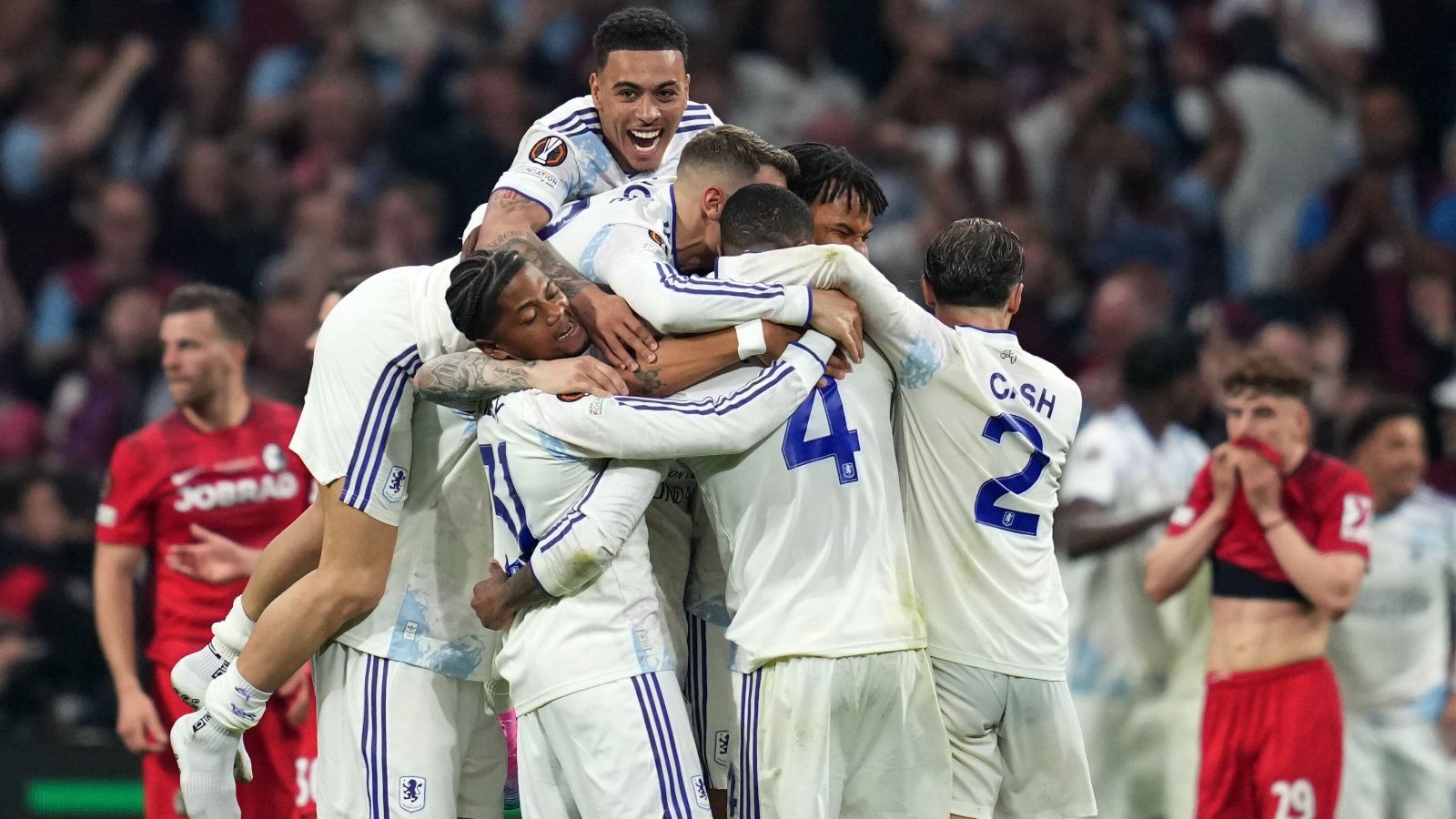
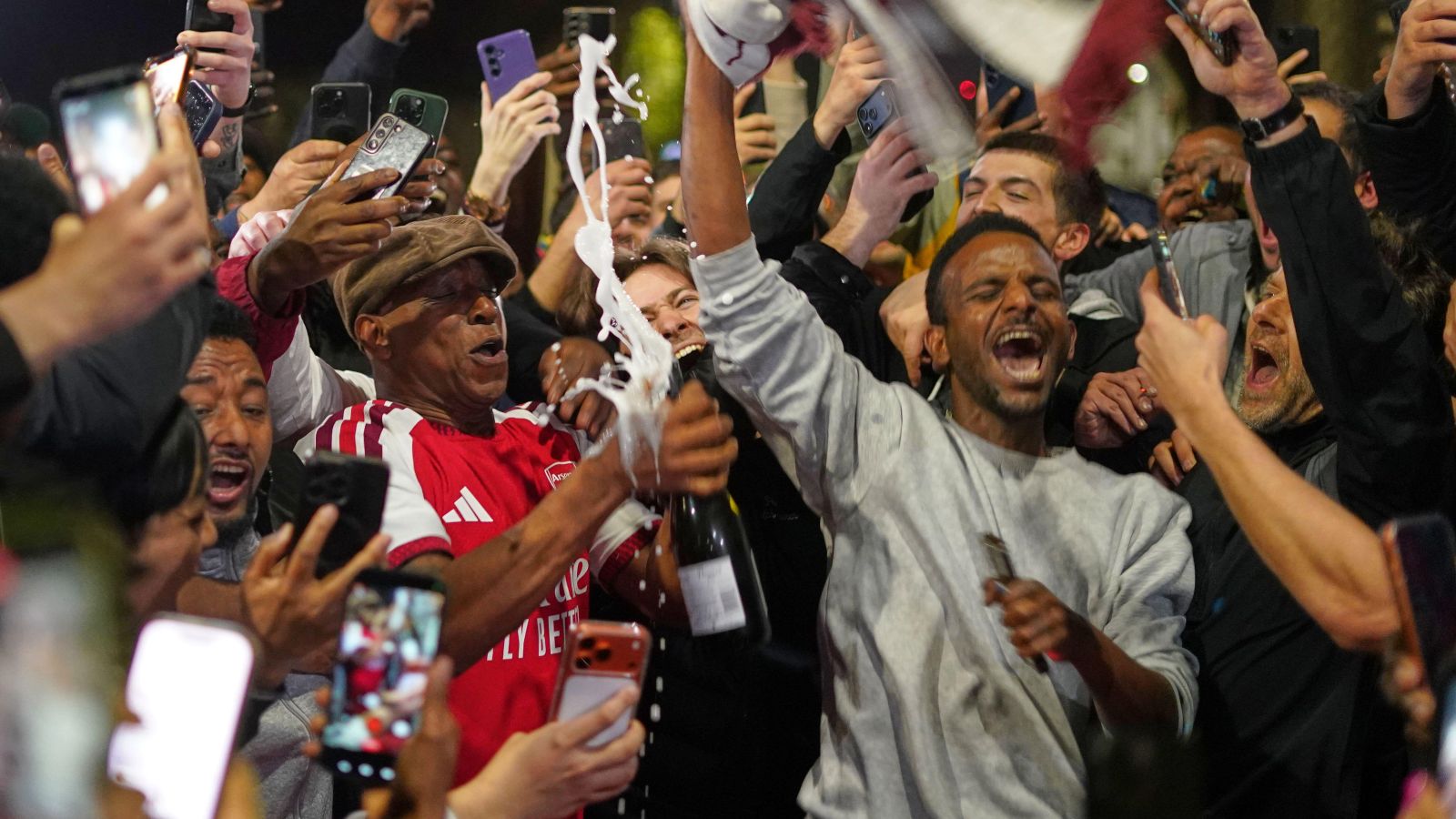
Arsenal's Title Push Ignites VAR Storm as West Ham Defeat Divides Opinion
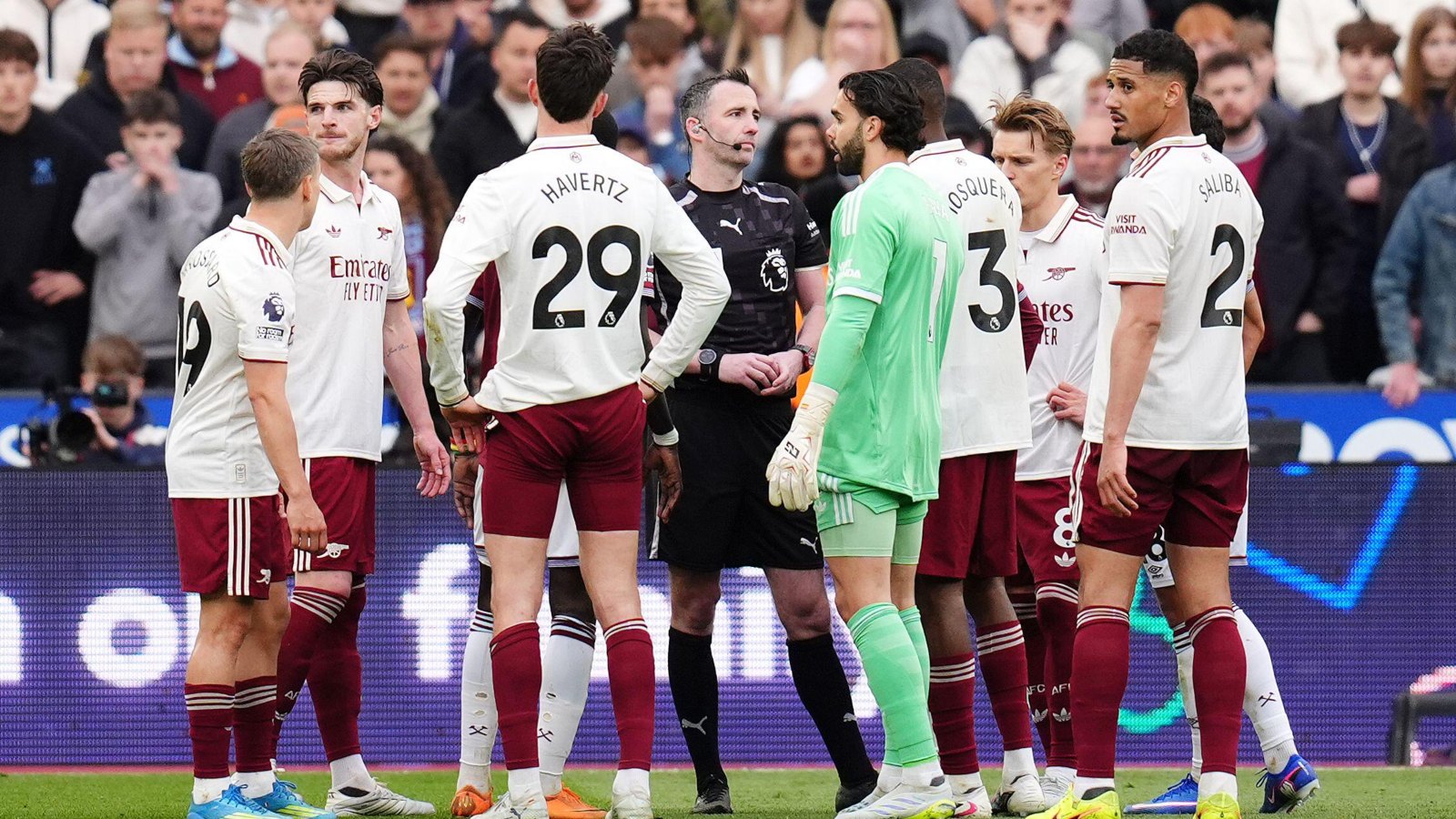
The Arsenal machine grinds on, but not without leaving a trail of fury in its wake. A single VAR decision at the London Stadium has unleashed the kind of mailbox deluge that makes grown men question their love of football—and it's not hard to see why.
Let's cut to the chase: the decision itself. David Raya was impeded as West Ham mounted a set-piece attack, his arm restricted as defenders converged. By the rulebook, it was a foul. Strip away the title race context and most observers with any sense of objectivity will tell you the same thing. Yet objectivity, it seems, is in desperately short supply.
The predictable outcry has already begun. Arsenal will be accused of benefiting from yet another contentious call, of somehow charming the officials into submission. Never mind that every club in the Premier League could point to a dozen similar incidents across the season—the narrative is already written for those determined to see it that way. Manchester United supporters are particularly vocal, insisting such decisions would go the other way if the red shirts were involved. One correspondent captured the sentiment neatly: VAR is pointless, the London press can't abide Arsenal losing, and the whole thing stinks.
But here's where it gets interesting. The furore masks a far more troubling pattern that extends well beyond this single moment. The inconsistency in how the laws of the game are applied has become genuinely alarming. One week, Lisandro Martínez is sent off for a minor tug. The next, an identical offence goes unpunished. Same referee, same VAR team, same contact—wildly different outcomes. It's the arbitrary enforcement of rules that corrodes trust, and once that trust is gone, it's remarkably difficult to restore.
The irony isn't lost on anyone paying attention. Arsenal, potentially winning the league thanks to a disallowed goal from a corner—the very type of set-piece chaos that's defined their season. Grinding out results through defensive resilience and occasional good fortune rather than dazzling football. Is that the mark of champions, or merely the hallmark of a side that's learned to win ugly? The debate will rage on.
What's undeniable is that similar decisions have benefited other teams this season. Manchester City's penalty incidents against Brentford—where a second Nunes contact looked every bit as culpable—barely registered in the conversation. These things do balance out, or so the theory goes. Whether that's cold comfort to West Ham, sitting in a relegation battle, is another matter entirely.
Some voices cut through the noise with genuine clarity. One West Ham supporter, remarkably philosophical given the circumstances, acknowledged the foul was real but questioned the selective nature of VAR's intervention. Before Raya was impeded, there were multiple instances of grappling and contact—Trossard holding Pablo Fornals' shirt, Odegaard's arms around Todibo, Soucek pushing Havertz. Why was only one deemed worthy of review? It's the inconsistency that stings as much as the decision itself.
The bigger picture is genuinely concerning. If the Professional Game Match Officials Limited doesn't establish clear parameters and enforce them consistently next season, the erosion of faith could accelerate. Serie A never recovered from Calciopoli. Juventus and AC Milan once competed for the world's best talent; now they struggle against Bournemouth. Is English football arrogant enough to believe it's immune from similar decline? The PGMOL would be wise to answer that question before it becomes rhetorical.
For Arsenal, meanwhile, there are still two matches to navigate. Burnley at home shouldn't trouble them, but complacency has bitten before. Crystal Palace away, if a win becomes mandatory, presents a different proposition entirely. The title isn't won yet, however much this result moves them closer.
As for the mailbox predictions that will inevitably follow—accusations of cheating, claims of bias, demands for penalties that every team could manufacture fifteen times a season—the script writes itself. What matters is whether anyone's still listening by the time next season begins.
Compare options