The Commentator Fatigue: Why Football's Biggest Names Are Becoming White Noise
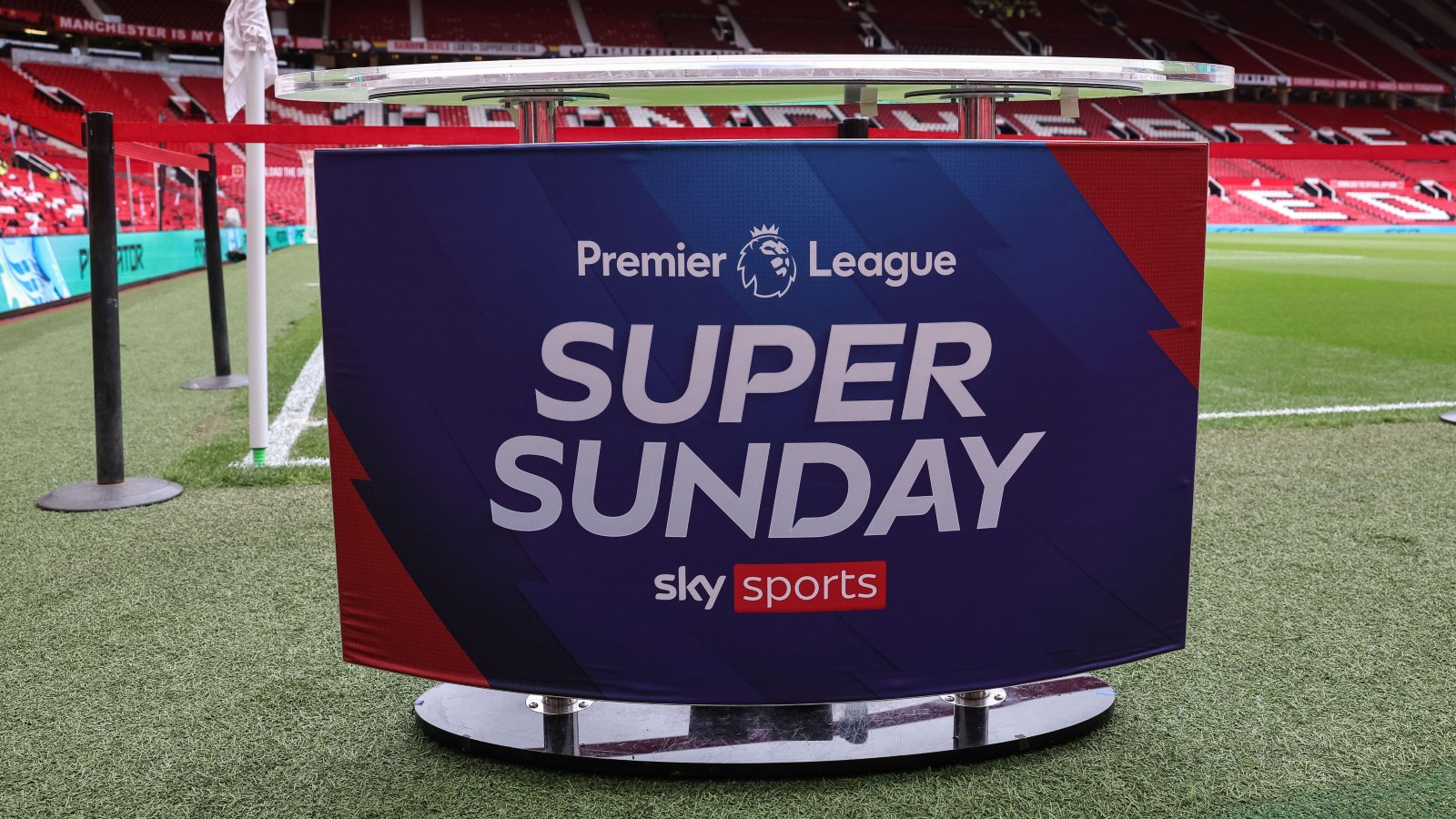
Nearly 70 football matches flooded the airwaves across all platforms just last Sunday in the UK alone. That's a staggering amount of content, and with it comes an unavoidable truth: the voices we hear calling the action have become as familiar as the teams themselves.
There's no escaping it – when a commentator and co-commentator hit their stride, they can elevate the viewing experience considerably. Switch off their microphones, and you're left with something oddly hollow. Conversely, if you can't abide them, it's rather like being locked in a room with someone's endless prattling or constant shouting.
We all have our favourites, and our opinions couldn't be more divided if we tried. Nostalgia often paints the John Motson, Tony Gubba and Barry Davies era as some sort of golden age. Don't believe it. Plenty of viewers found Motty insufferably nerdy, Davies rather too headmasterly, and I've yet to encounter a soul who fondly recalls David Coleman's repetitive "one-nil" or his rehearsed cup final clichés.
Modern commentary has embraced informality – that's the fashion now, and fair enough too. But sometimes it tips into territory where you feel like you're eavesdropping on a private chat. A bit of banter works brilliantly when you hear it once or twice weekly. Take Adam Summerton and Don Hutchison covering Serie A – they're genuinely among the best around, partly because they only team up two or three times monthly. Wheel them out four times weekly plus trailers, voiceovers and advertisements, and that charm curdles into tedious waffle.
Taste in commentary is entirely subjective, of course. What isn't subjective, however, is how certain broadcasters have become dangerously dependent on particular voices. Week in, week out, you'll catch Ally McCoist alongside Darren Fletcher multiple times across TNT's output.
For quite some time, McCoist earned considerable praise as an entertaining, passionate presence – remarkably, he largely escaped the usual sniping directed at broadcasters. His employers clearly noticed this, and responded with the logical conclusion: deploy him everywhere possible. Trailers for their coverage? McCoist. Advertising spots? He's been tapped for Simba mattresses and those cringeworthy car-selling ads. The business logic is transparent, but it's fundamentally broken.
There's such a thing as overkill. Nowadays, the social media response has shifted to "oh no, not him again" – and that's purely a function of saturation. It's nothing against McCoist personally; it's simply what happens when any voice becomes inescapable. Charming quirks calcify into irritating mannerisms.
This happens despite commentators being more plentiful than ever. Sky's coverage of every EFL game necessitates a vast roster of talent. Overexposure simply isn't necessary. One suspects it betrays a nervousness about declining viewership – a clinging to whoever seems popular rather than confidence in the product itself.
Finding co-commentators and pundits articulate enough to discuss football without drowning listeners in clichés is admittedly challenging. But if broadcasters cast their net wider, they could tap into a genuinely diverse range of voices. Being a former player doesn't confer some mystical ability to analyse football that others lack. These aren't genuine experts in any serious sense. Does a serious journalist or writer's perspective hold no interest whatsoever?
Does every Sunday 4.30pm Sky fixture require Peter Drury bellowing names in full as shots fly in? The predictability breeds a sort of football-watching torpor. Half the audience doesn't even engage with the punditry anyway, so uninspired is the usual commentary.
The solution? Rotate more widely. Spread commentators, co-commentators and pundits across the schedule. Must it always be Roy, Jamie or Micah? Is it really so difficult for producers to think, "this person is on constantly – viewers will get sick of them"? Even genuinely popular voices wear thin after weeks of saturation, especially when they're simultaneously flogging data services or whatever else they're shilling.
These aren't Peter Ustinov-level orators capable of captivating audiences for hours. Yet broadcasters seem incapable of recognising that any voice has a shelf life.
Most commentators are genuinely competent at their work – correctly identifying names alone is surprisingly difficult – but that's beside the point. The aesthetics of a voice, any voice, have expiry dates that producers appear unable to grasp.
You may not recognise commentators working third and fourth-tier matches, but many prove fresher and more energetic precisely because they're using it as a platform to bigger opportunities. Sunday's playoff between Chesterfield and Notts County was expertly handled by David Stowell and Courtney Sweetman-Kirk. Why not deploy them instead of the Drury harsh bellow?
Producers seem allergic to variety and unpredictability. Perhaps they fear the core product is too often dull and believe they need established names to compensate? Something clearly explains the approach.
Consider also engaging commentators less obsessed with endless banter and statistical minutiae – people who understand the value of silence. The WSL and SWPL frequently nail this balance. Sunday's Chelsea versus Manchester City cup semi-final demonstrated it perfectly, with Robyn Cowans and Rachel Brown-Finnis striking the right equilibrium.
Commentary represents such a crucial component of every broadcast. Producers must raise their game and abandon reflexive reliance on the same voices and faces. Build a genuinely quality product rather than desperately flogging an exhausted one.
Compare options