From Scudamore's Jab to Social Change: How Football Fans Are Fighting UK Food Poverty
What does it really mean to support a football club in 2026? Alex Timperley's latest book, 'For the Love: How Football Supporters Can Change the World', tackles that very question head-on.
The work delves into the nature of our institutions, the obstacles facing ordinary supporters, and strategies for effective organisation against billionaire proprietors and media giants. Beyond that, it demonstrates how the same principles of teamwork, mutual aid and collective action can rebuild the bond between clubs and their communities – ultimately transforming circumstances for working-class people nationwide.
The Unlikely Beginning
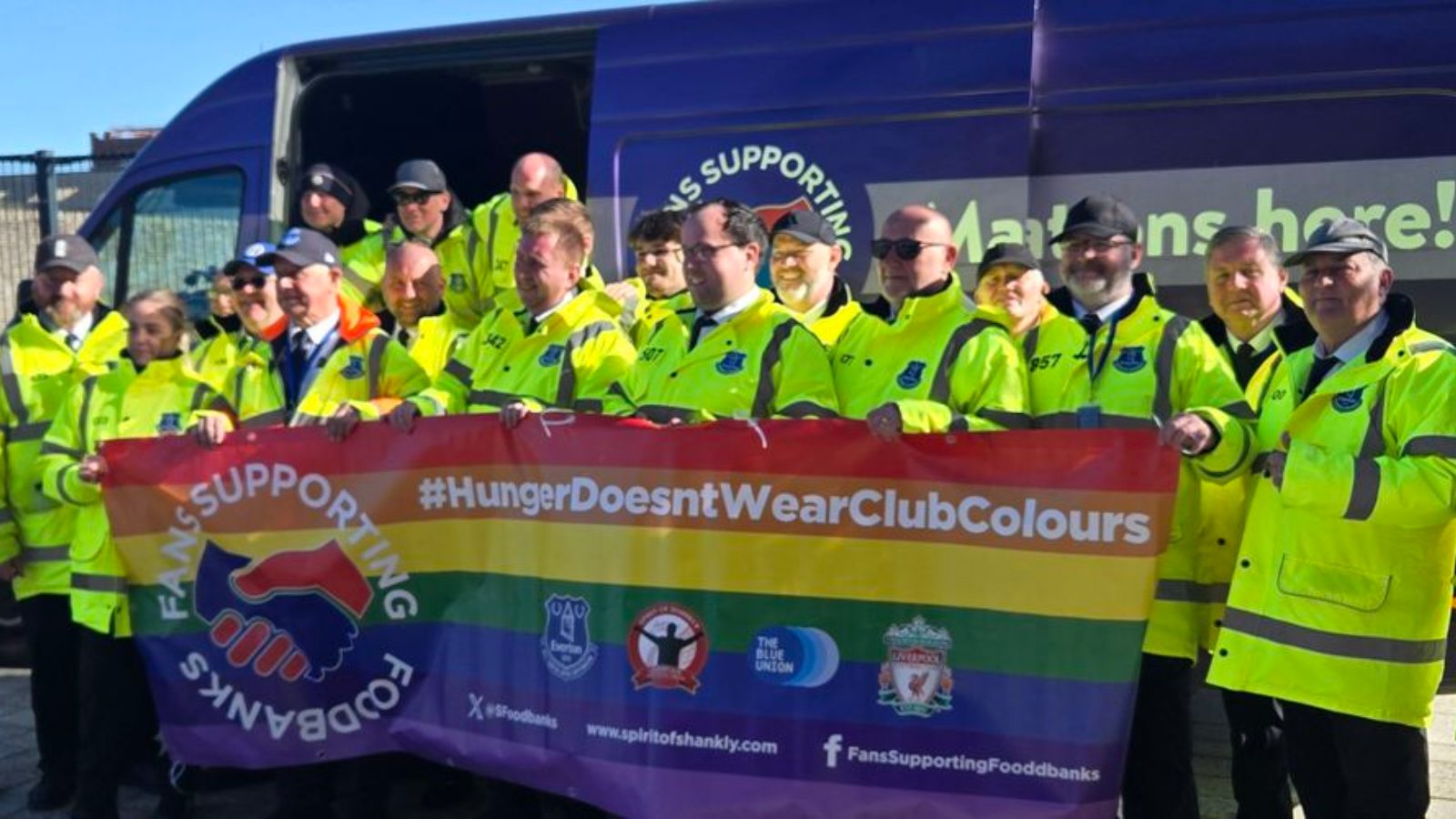
The story of Fans Supporting Foodbanks contains a delicious irony. Richard Scudamore, the former Premier League chief, inadvertently sparked a nationwide anti-poverty movement – though that was hardly his intention.
In 2015, Dave Kelly and Ian Byrne – supporters of Everton and Liverpool respectively – attended a Premier League gathering with fan representatives to discuss away ticket pricing caps. Scudamore seized the opportunity to expound at length on the charitable credentials of Premier League clubs. Kelly recalls Scudamore suggesting that whilst clubs were undertaking "lots of really good charity work around the communities," he failed to see supporters making meaningful contributions themselves.
Something clicked. On the train journey back to Merseyside, Kelly and Byrne – the latter now MP for Liverpool West Derby – resolved to prove him wrong. If the clubs were doing good work, why couldn't supporters do likewise? The question that followed was simple yet transformative: "Why don't we do a joint fan initiative?"
Fans Supporting Foodbanks was born.
From Chip Papers to Community Kitchens
The inaugural collection in Liverpool was modest in the extreme. Founders Ian Byrne, Dave Kelly and Robbie Daniels, along with a handful of volunteers, possessed little more than a wheelie bin. By day's end, Kelly reckons it contained more chip papers than actual donations. Yet seeds, however small, can grow into something substantial.
A decade later, the original Liverpool operation has expanded dramatically. Beyond collecting food for local foodbanks, they've established breakfast services for rough sleepers and operate a network of food pantries across Liverpool and St. Helens.
These pantries operate on fundamentally different principles to traditional foodbanks. Members pay a nominal weekly fee to participate. They select their own provisions – much like shopping in a supermarket – with each person's allocation far exceeding their subscription cost. The emphasis is on nutritious, fresh produce served in a welcoming atmosphere where people gather, socialise and connect. It's solidarity rather than charity; dignity rather than dependency.
"Switching to the pantries represents one of our biggest achievements," Byrne reflects. "The funding came from supporters collectively refusing to pay the Premier League's pay-per-view charges during Covid. That money allowed us to invest in equipment and infrastructure. Now the pantries operate with tremendous success."
The impact extends beyond statistics. "When I walk down to Everton, nobody gives me stick because they understand what we're doing and why," Byrne adds. "Dave and Robbie experience the same at Liverpool. You're recognised as working for genuine public benefit."
The Bigger Picture
Yet the ambition stretches far beyond Merseyside. The ultimate objective is enshrining the Right to Food within British legislation to permanently eliminate food poverty.
The scale of the challenge is stark. The Trussell Trust distributed 2.9 million emergency food parcels during 2024/25 – a rise exceeding 140% over ten years. House of Commons Library research from 2025 reveals 7.5 million individuals (11% of the population) experience food poverty annually. Most troublingly, 18% of all children are affected. The youngest and most vulnerable bear the heaviest burden. The numbers tell an uncomfortable story: we're failing catastrophically.
The Right to Food campaign offers five concrete, achievable solutions:
Universal free school meals – Every child deserves proper nutrition, beginning with free meals for all pupils.
Transparent food budgeting – Government must publicly declare how much of minimum wage and benefit payments is allocated for food when setting these rates.
Independent oversight – Right to Food legislation requires a new independent regulatory body with genuine enforcement powers to hold government accountable.
Community Kitchens – Properly funded dining clubs, meals-on-wheels services for elderly and vulnerable populations, school holiday provision for disadvantaged children, and community cookery programmes.
Food security integration – Government must prioritise food security across competition policy, planning decisions, transport infrastructure and local governance.
These represent the direction of travel. Should Right to Food legislation pass, organised football supporters will have delivered the most significant impact on poverty the country has witnessed. It sounds ambitious – perhaps even utopian – yet the impossible has already been achieved.
A decade ago, suggesting football fans could rescue thousands from hunger would have drawn ridicule. Today it's reality across the nation.
The next step remains achievable. Dozens of local councils have already committed to the campaign, momentum is building nationally, and partner organisations including Sustain, Just Fair, Nourish and Newcastle University's Institute of Health & Society are actively engaged.
This is how food poverty gets solved in Britain. And supporters are leading the charge.
Compare options