Iraola's Palace Gamble: Why the Bournemouth Manager Spurned the Elite to Back Himself
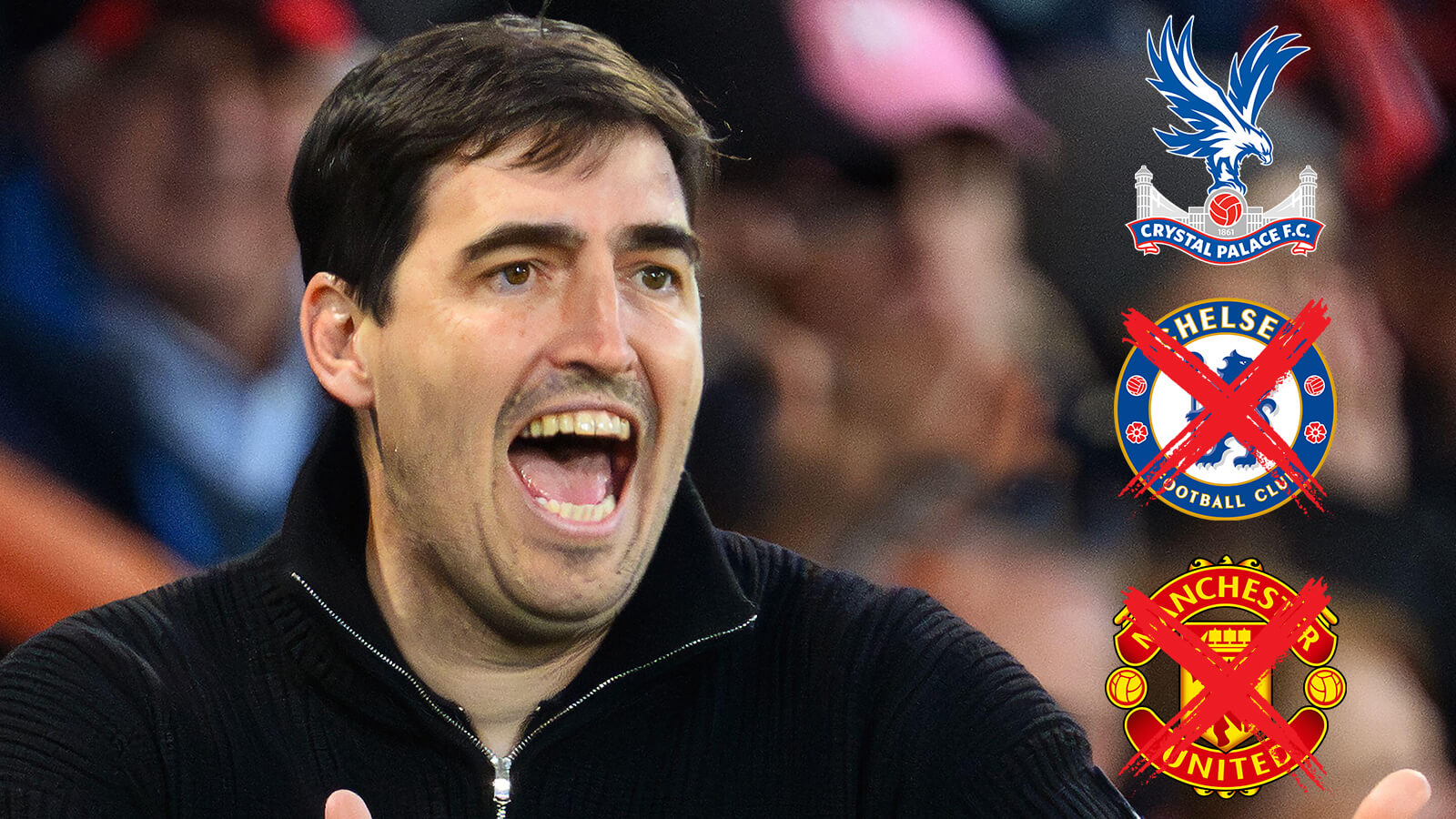
The numbers tell one story. Bournemouth sat 11th when Andoni Iraola announced his departure in April, knocked out of both cup competitions early and languishing below Sunderland and Everton. Fast forward a month, and the Cherries have rocketed onto a club-record unbeaten streak that's propelled them towards a potential Champions League spot—assuming Aston Villa cooperate—with genuine European football beckoning for the first time.
Timing, it seems, is everything. Yet the Spaniard's decision to leave at precisely this moment wasn't reckless. It was calculated.
"I think I've supposed I prefer to make the mistake of maybe I could have stayed one year more," Iraola reflected, "but I don't want to make the mistake if it was one year too much and there is a small margin that you are playing with, and this is what it is."
It's the kind of candid admission that cuts through the usual managerial waffle. He understood the human condition—that fatigue sets in, that watching the same faces becomes wearying—and recognised when to depart on his own terms rather than outstay his welcome.
This isn't a manager who's been sacked mid-season or forced out by boardroom politics. Iraola has earned a rare luxury: the ability to walk away voluntarily. He'd done it before at Mirandes and Rayo Vallecano, rejecting contract extensions both times. Even his solitary stumble—a seven-month spell at AEK Larnaca that ended in dismissal—hasn't derailed a career built on burning no bridges and knowing when to climb.
At Bournemouth, he's completed a managerial hat-trick of honouring his commitments and departing while the club remained on the rise. "I don't want to risk the feeling I have right now of satisfaction of these three seasons," he explained. The mathematics of ambition, however, throws up an intriguing puzzle: why trade the momentum of Bournemouth's renaissance for Crystal Palace?
The Eagles aren't to be sniffed at. They've reached a European final, won the FA Cup, shattered glass ceilings, and enjoyed the greatest period in their history. Yet it remains a sideways shuffle when Iraola was supposedly eyeing the managerial summit. Newcastle, Athletic Bilbao, Real Madrid and Arsenal were all thought to be in the mix. Manchester United, Chelsea—even those options seemed more fitting for an ascending talent.
The answer, perhaps, lies in what Iraola himself has already told us. Back in October 2023, just months into his Bournemouth tenure, he was remarkably frank about his vision for life on the touchline.
"I don't see myself [working] for a long time, no," he said. "It's a very personal thing. Balancing it with family life is complicated, especially when you have children. You can't change places every two years."
Those seven words are rather illuminating. They're a window into why the chaos of Old Trafford, Stamford Bridge or the Bernabéu holds no appeal—why a manager might consciously sidestep the basket cases where 16-game unbeaten runs are forgotten the moment an 11-match winless streak arrives, and where trust evaporates instantly.
At Bournemouth, and now at Palace, a manager can build something sustainable. Lose a few games, and there's patience. Lose more, and the Process is trusted. At the traditional superpowers? One bad month and the knives are sharpened. The expectations are absurd, the pressure relentless, the margin for error non-existent.
Palace offers what the elite clubs cannot: a lucrative contract, London living, reportedly greater input on transfers, and—crucially—the breathing room to construct a career without perpetually looking over your shoulder. It's not the obvious stepping stone for an ambitious manager. Accusations of playing it safe will inevitably follow.
But Iraola has earned the right to trust his own judgment. He's proven he knows exactly when to move on and why. Whether Palace represents a temporary waystation or a deliberate choice to reject the tanker that rocks in permanently choppy waters, only time will tell. Either way, it's a decision made with eyes wide open—and that's refreshingly rare.
Compare options